Lily of the Valley Watercolor: A Strategic Asset for Visual Communication
In the crowded landscape of digital design and brand communication, visual consistency is not merely an aesthetic preference; it is a fundamental component of trust and recognition. The Lily of the Valley Watercolor collection represents more than a set of decorative images. It is a curated resource designed to elevate projects that require a balance of elegance, natural authenticity, and professional polish. For entrepreneurs, educators, and creators, understanding how to deploy such assets strategically can significantly impact audience engagement and perceived value.
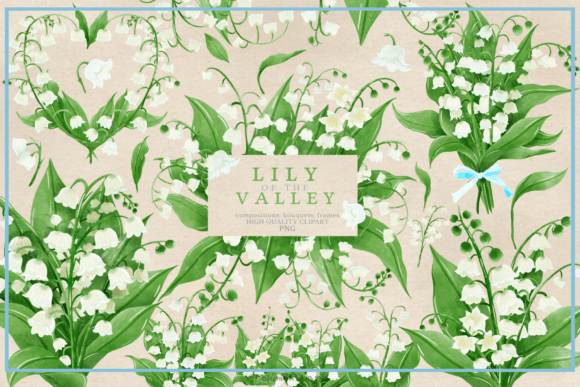
When we examine the role of high-quality clipart in modern workflows, we must move beyond the notion of "filler" content. Instead, we should view these elements as modular components of a larger visual strategy. The delicate interplay of white blooms and verdant leaves found in this collection offers a versatile palette for those aiming to convey growth, renewal, or refined simplicity. By integrating these 300 DPI PNG files into your workflow, you are not just decorating a page; you are reinforcing a narrative.
Defining the Strategic Value of Natural Imagery
The choice of imagery communicates subconscious cues to your audience. Lily of the Valley Watercolor elements, with their soft art style and transparent backgrounds, serve specific psychological and branding functions. They suggest attention to detail, appreciation for nature, and a commitment to quality. For small business owners and marketers, this translates into a tangible asset that can differentiate a generic flyer from a premium invitation, or a standard worksheet from an engaging educational tool.
Consider the decision-making process behind selecting visual assets. Many creators fall into the trap of using low-resolution, generic graphics that dilute their brand authority. In contrast, utilizing high-resolution, meticulously crafted elements ensures that every touchpoint—from digital note-taking apps like Goodnotes to printed wedding invitations—maintains a standard of excellence. This consistency builds long-term equity in your personal or corporate brand.
Practical Applications Across Industries
The versatility of this collection lies in its adaptability. Below are strategic ways various professionals can leverage these resources to achieve specific outcomes.
Enhancing Brand Identity and Marketing Materials
For boutique businesses, particularly those in the wellness, beauty, or lifestyle sectors, visual tone is critical. The Lily of the Valley Watercolor frames and bouquets can be used to create cohesive social media templates. Rather than starting from scratch for every post, designers can use the pre-composed elements to maintain a consistent aesthetic. This reduces production time while ensuring that the brand voice remains calm, elegant, and inviting.
- Wedding and Event Stationery: The 18 flowers and 5 bouquets provide enough variety to create unique layouts without repetition. Use the transparent PNGs to layer elements over textured paper backgrounds for a tactile, high-end feel.
- Packaging Design: Small business owners can incorporate the leaf elements into product labels or thank-you cards. This adds a personalized touch that enhances customer experience and encourages repeat business.
Educational and Digital Product Development
Educators and digital product creators face the challenge of making content visually appealing without causing cognitive overload. The clean lines and soft hues of watercolor lilies offer a solution. They provide visual interest that guides the eye without distracting from the core information.
For those creating digital planners or journals for apps like Goodnotes, the 9 compositions and 5 frames serve as excellent structural anchors. They can define sections, highlight key dates, or separate chapters. The high resolution (300 DPI) ensures that these elements remain crisp even when zoomed in on tablet screens, a crucial factor for user satisfaction in digital products.
Streamlining Creative Workflows
Time is a scarce resource for freelancers and hobbyists alike. Having a library of ready-to-use, high-quality assets eliminates the need for custom illustration for every project. The Lily of the Valley Watercolor collection includes 19 distinct leaves and 18 individual flowers, allowing for infinite customization. You can rotate, resize, and recolor these elements within software like Photoshop to fit specific layout requirements. This modularity supports rapid prototyping and efficient execution of client work.
Risks of Unintentional Design Choices
While the assets are high-quality, their effectiveness depends entirely on context. Using Lily of the Valley Watercolor elements without a clear strategic goal can lead to disjointed messaging. For instance, applying delicate floral motifs to a tech-focused, industrial brand may create cognitive dissonance, confusing the audience about the company’s identity.
Furthermore, overuse is a common pitfall. Just because you have access to 18 flowers does not mean you should use them all on one page. Effective design relies on whitespace and balance. The strategic approach involves using these elements as accents rather than the main event. Ask yourself: Does this image support the text? Does it enhance the user’s understanding or emotional connection? If the answer is no, simplify.
Technical Considerations for Optimal Results
To maximize the utility of this collection, users must understand the technical specifications. The files are provided as PNGs with transparent backgrounds at 300 DPI. This format is ideal for both digital and print applications, but it requires proper handling.
- Software Compatibility: Ensure your design software supports layering and transparency. Programs like Adobe Photoshop, Illustrator, Procreate, and Canva handle these files effectively. For digital note-taking, apps like Goodnotes allow direct import, enabling seamless integration into handwritten notes.
- Resolution Management: While 300 DPI is print-ready, scaling up vector-like quality from raster images has limits. Always start with the original file size and scale down if necessary, rather than scaling up, to avoid pixelation.
- Color Harmony: The soft white and green hues are designed to complement, not dominate. Pair these elements with neutral backgrounds or complementary pastel palettes. Avoid clashing them with neon or overly saturated colors, which can undermine the serene aesthetic.
Long-Term Value and Sustainable Creativity
Investing in high-quality resources like the Lily of the Valley Watercolor collection is a decision that pays dividends over time. Unlike trend-driven graphics that may look dated in a year, botanical illustrations possess a timeless quality. They align with enduring human preferences for nature and organic forms. This longevity means you can reuse these assets across multiple campaigns, years, and product lines without losing relevance.
Moreover, supporting creators who produce meticulous, high-DPI artwork fosters a healthier creative ecosystem. It encourages the production of better tools for everyone. When you choose quality over quantity, you signal to your own clients and audience that you value precision and care. This alignment between your tools and your values strengthens your professional reputation.
Making the Decision to Integrate
Before downloading or purchasing any design asset, evaluate your current needs. Do you have upcoming projects that require a touch of elegance? Are you looking to refresh your brand’s visual language? If so, this collection offers a low-risk, high-reward entry point. It provides immediate usability while allowing for deep customization.
Plan your usage. Map out where these elements will appear in your next quarter’s content calendar. Will they feature in your email headers? Your product packaging? Your educational worksheets? By planning ahead, you ensure that each element serves a purpose, contributing to a cohesive and strategic visual narrative.
In conclusion, the Lily of the Valley Watercolor collection is not just a set of images; it is a tool for intentional communication. Whether you are a graphic designer seeking efficiency, a parent creating memorable keepsakes, or an entrepreneur building a brand, these elements offer the flexibility and quality needed to stand out. Use them wisely, respect their aesthetic constraints, and let them enhance the clarity and beauty of your message. The result is not just a pretty picture, but a more effective, engaging, and professional outcome.